The cell is the basic unit of life. Recovery from disease is, at root, repairing and replacing aged, damaged or diseased cells.
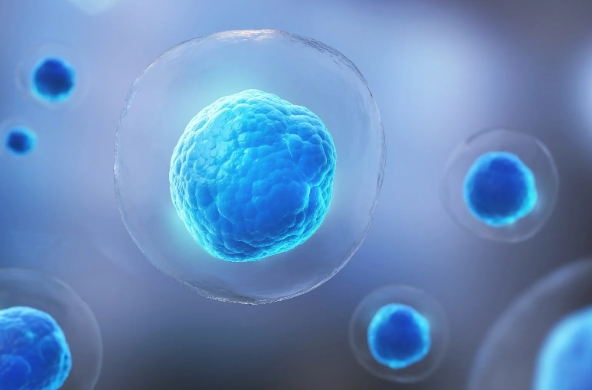
The vast majority of living things on Earth are made of cells. The cell is the basic unit of life.
Humans are multicellular organisms: trillions of cells form a complex whole. Each cell has its own structure and function, and they work together to carry out everything life requires.
The New York Times bestseller Choose Health put it this way: “The root of all human disease is, in fact, that something has gone wrong with the cell.”
Inside the body, cells turn over every day — renewing, ageing, becoming damaged, and in some cases turning cancerous. The body’s own “self-repair and clearance” systems then start, to keep a healthy balance. If damaged cells are not repaired in time, aged cells are not replaced, and diseased cells are not held in check, they gradually lose vitality or go dormant. Organ function weakens, immunity falls, and illness follows.
Recovery from disease is, at root, repairing and replacing those aged, damaged or diseased cells. Activating cell function and strengthening regenerative capacity can slow ageing, speed recovery and raise the level of health.
1. Building the structure of life
Cells are the basic units of every living organism. Linked together they form tissues and organs — heart, brain, liver, lungs, skin, gut, nervous system, muscle and more — giving the body its form and supporting the activities of life.
2. Taking part in metabolism
Through metabolic reactions, cells obtain energy and the substances they need, and take part in the synthesis, breakdown and conversion of organic compounds, including protein production and the metabolism of carbohydrates and fats, so that the organism can keep working normally.
3. Supporting growth and repair
Growth and development depend on cell division and expansion. When tissue is injured, cells proliferate to help wounds heal and tissue regenerate, restoring structure and function.
4. Passing on genetic information
Through DNA replication, transcription and translation, cells transmit genetic information, regulate protein synthesis and expression, and thereby determine the features, functions and developmental path of the cell and of the organism as a whole.
5. Immune defence
Certain cells — lymphocytes, macrophages and neutrophils among them — can recognise and destroy invading pathogens such as bacteria, viruses and parasites, protecting the body from infection and helping to keep it healthy.
6. Reproduction
Cells also carry out reproduction. After sperm and egg fuse to form a zygote, successive rounds of division and differentiation gradually produce a new individual, continuing the line of life.
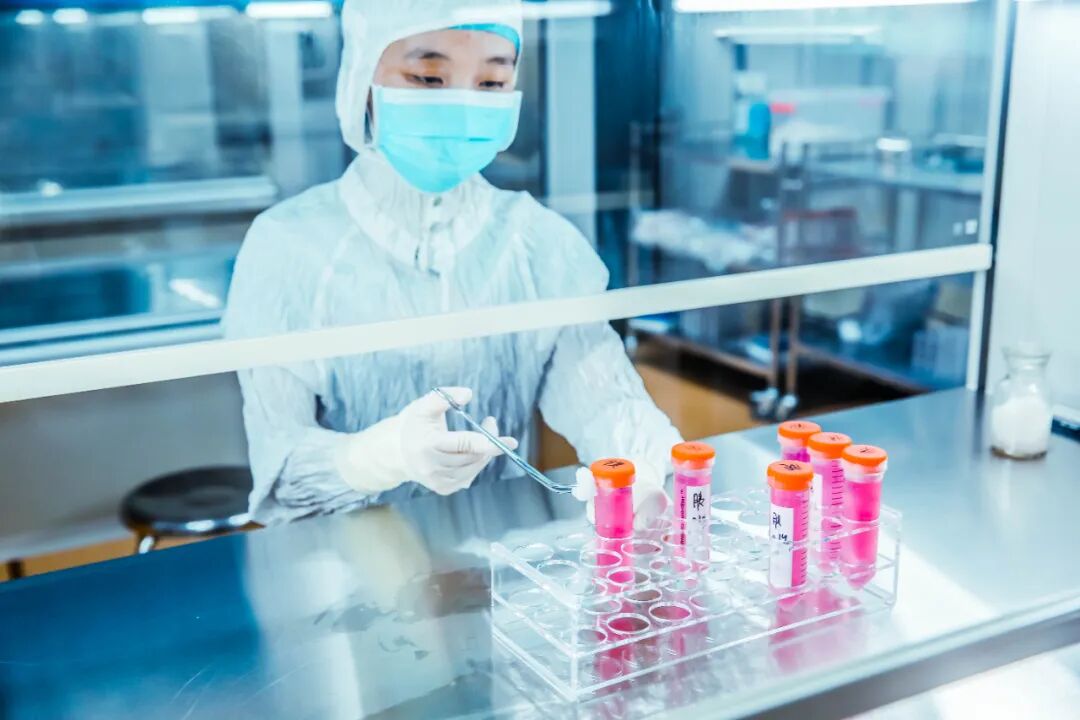
In a healthy state, cells rely on several physiological mechanisms to keep their internal environment stable, so that normal function can continue:
Autophagy
Through autophagy, cells clear damaged organelles and surplus or denatured proteins, preventing toxic build-up and keeping the intracellular environment in balance and functionally intact.
Programmed apoptosis
When a cell is irreversibly damaged or becomes abnormal, it can start an apoptotic programme and clear itself in an orderly way, so that diseased cells do not spread and overall tissue health is protected.
DNA repair
Cells have well-developed DNA-repair systems that can mend damage in genetic material, prevent mutations from accumulating, and block disease at its source.
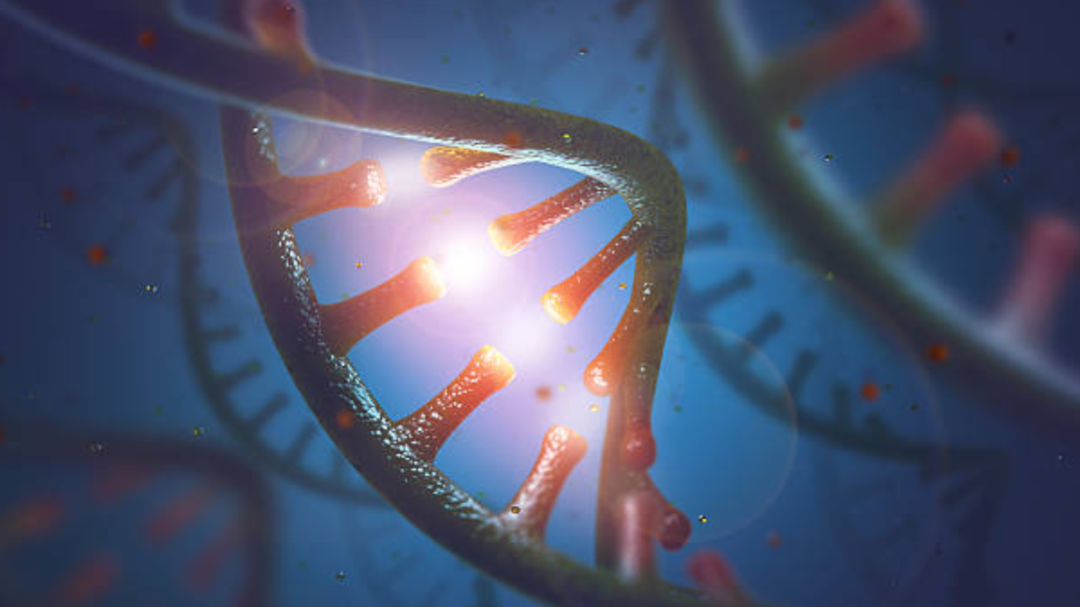
When cells are disturbed by the outside environment, or when their own control systems go awry, function can break down — uncontrolled division, metabolic failure, immune disorder and the like. The change does not stay in one cell: it can cascade through neighbouring tissue and whole organ systems, and eventually trigger disease. A few typical examples:
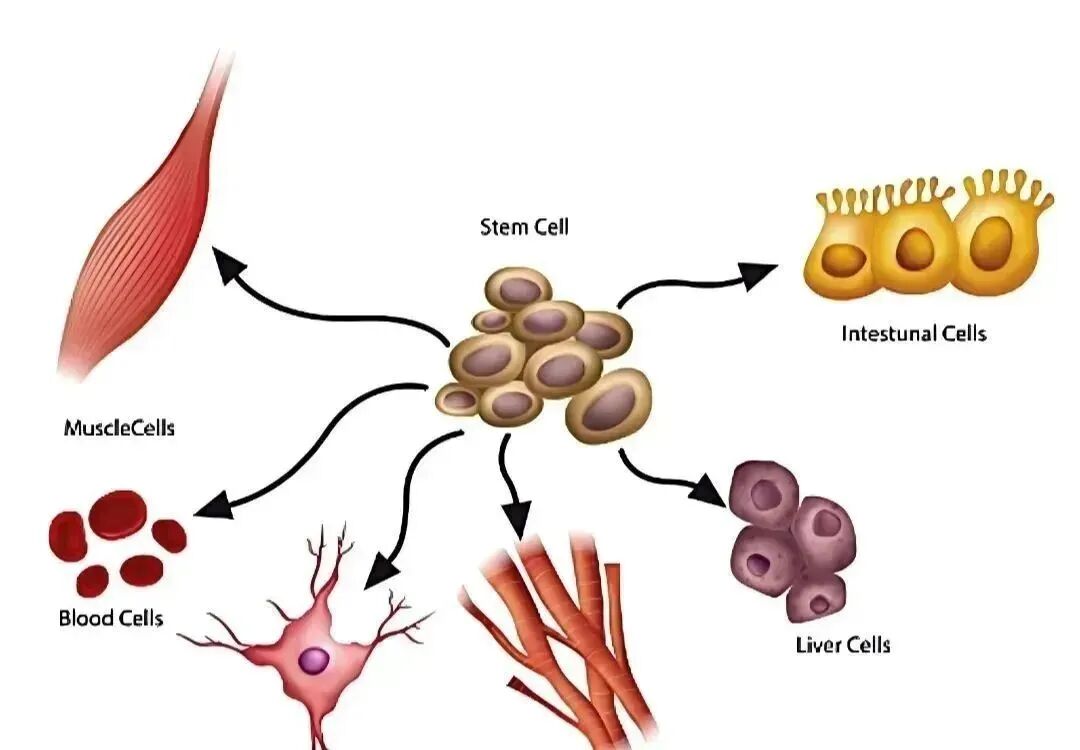
The causes of cell dysfunction are many. Common groups include:
Genetics
Gene mutations or chromosomal abnormalities can interfere directly with normal cell function and may cause inherited diseases such as cystic fibrosis and haemophilia.
Environment
Chemical pollution, radiation, viruses and other environmental factors can damage cells to different degrees. Long-term exposure to benzene, formaldehyde and similar substances markedly raises the risk of blood diseases such as leukaemia; long-term high radiation can raise the probability of cancer.
Unhealthy habits
Smoking, heavy drinking, binge eating and lack of exercise can disorder cell metabolism. Smoking, for example, seriously damages lung-cell structure and is one of the main risk factors for lung cancer.
Nutrient shortage and toxins
If cells cannot obtain enough nutrients, or are attacked by toxic substances, their function falls, which can then affect organs and tissues and even trigger related disease.
When these factors keep acting on cells, they may cause serious tissue and organ injury, and go on to diseases such as cancer, cardiovascular and cerebrovascular disease, neurological conditions (for example Alzheimer’s disease and Parkinson’s disease), and immune-related disorders (autoimmune disease, immunodeficiency and others).
The immune system plays a central role in keeping the body healthy, especially in cell repair, clearance and regeneration. Through immune surveillance, defence and self-regulation, it helps stabilise the internal environment and keep systems in balance.
In short, cell health is the fundamental support of human health. Unlike machine parts, cells, tissues and organs cannot be swapped out easily once they are damaged. Recovery is long and complex: it takes time, money and energy, and may come with lasting pain.
Prevention is always better than treatment. Intervening at the cellular level before the problem spreads further can stop tissue and organ disease from developing. Only when the body again has a strong capacity to repair and regenerate itself can ageing truly be slowed, vitality kept, and a high-quality, healthy life approached.
Medical disclaimer: This article is for general educational reference on longevity medicine, life science and genetic technology only. It does not constitute any diagnosis, treatment or medical advice. These fields are evolving rapidly; the content is compiled from publicly available educational material for information only and does not represent a commitment to any treatment, technology or outcome. Individual circumstances vary; actual treatments, results and potential risks may differ. Please consult a qualified clinician and follow their professional assessment and recommendations.