WHO defines ageing as fewer cells and lower cell activity. Surface anti-ageing makes you look younger; cellular anti-ageing starts with stem cells and immune cells.
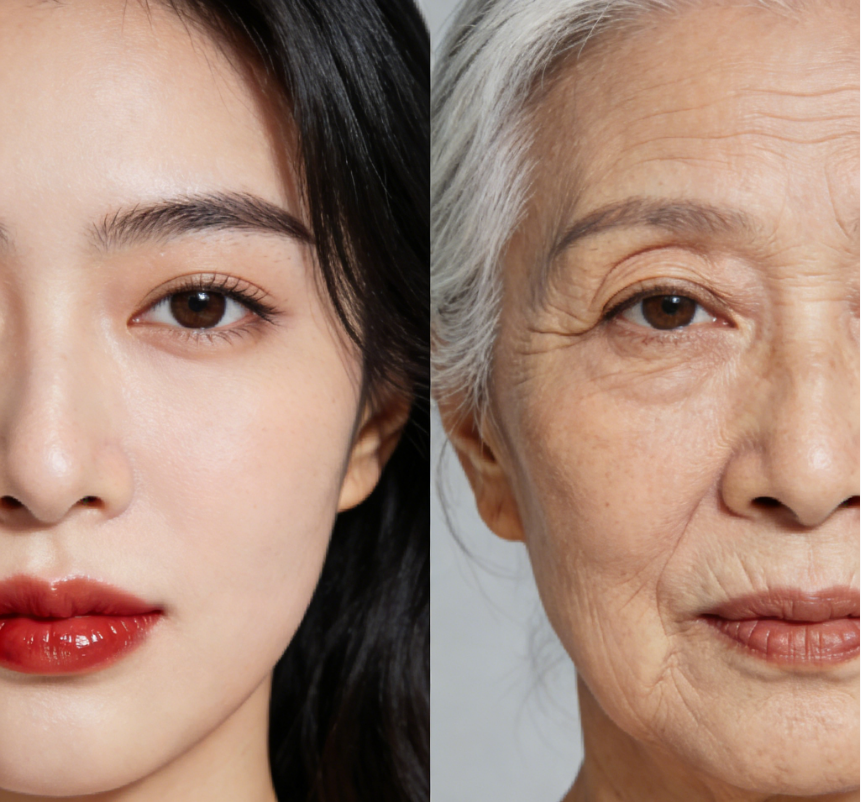
Time is hard to hold, and life is uncertain. Ageing is not a proposition we can simply avoid. All we can do is slow its pace in various ways — yet we still cannot stop the decline of bodily function or the dimming of vitality. That sense of powerlessness makes it hard for many people to face growing old with equanimity.
In physiology, ageing is the developmental history of the individual from the fertilised egg through to old age.
In pathology, ageing is the accumulated result of stress, wear, injury, infection, declining immune response, nutritional imbalance, metabolic disturbance, and neglect or misuse of medication.
Clinically, an ageing body shows multi-organ degenerative change: declining memory, slower reactions, reduced motor capacity, and lower secretion of related hormones.
The World Health Organization defines ageing as a decline in the number of cells in the body and a reduction in cell activity.
The cells referred to here are stem cells and immune cells.
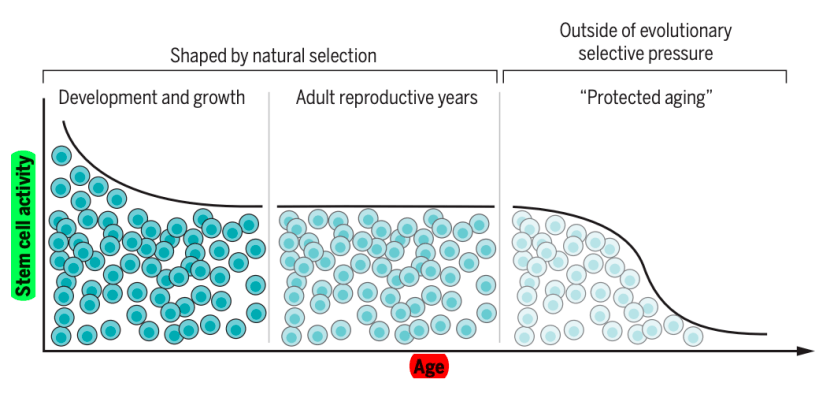
Ageing of the organism is a gradual process. After the age of 30, physiological function declines at a rate of 0.75%–1% per year. In those with an unhealthy lifestyle or who do not keep exercising, the rate of decline is twice that of healthy people, and ageing arrives earlier.
The leading journal Nature describes ageing as cells irreversibly ceasing to divide and entering a state of permanent growth arrest, without undergoing cell death. Unrepaired DNA damage or other cellular stress can induce senescence.
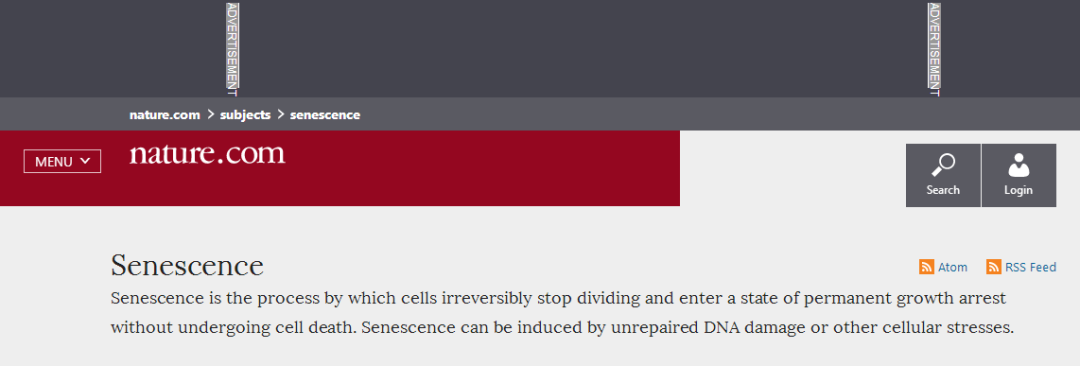
Definition of cellular senescence: over time, or when facing external stress, a cell’s normal physiological function and proliferative capacity gradually decline, so that it exits the cell cycle. Cellular senescence is the basis of organismal ageing and death, and organismal ageing is closely linked to many diseases of later life.
With age, individuals tend to develop a pro-inflammatory state, characterised by high circulating levels of inflammatory molecules. Inflammation is a risk factor for various chronic age-related diseases, including cardiovascular disease, certain cancers and neurodegeneration, and may be associated with premature death. Inflammatory molecules in the blood of older people are also linked to weight loss, muscle wasting and frailty, chronic inflammation and depression.
In short: lifespan is determined by the speed at which every cell in the body ages. And ageing is the beginning of disease.
Human ageing is, at root, the ageing of cells. The most fundamental path of anti-ageing is therefore to clear senescent cells, repair damaged cells, improve cell metabolism and activate the function of dormant cells. Immune-cell and stem-cell approaches to anti-ageing can therefore address the problem at its source. From a growing body of research and clinical cases, cell technology is already showing its strength in this field.
Mechanism: infused stem cells, under signals from a specific microenvironment, can differentiate in a directed way into the functional cells required — such as dermal fibroblasts (which produce collagen), cardiomyocytes, neurons and chondrocytes — to replace cells that have undergone apoptosis or lost function through ageing, injury or disease.
Effect: it directly replenishes “new force”, reversing cell loss in a given tissue in quantitative terms and restoring organ function. For example, differentiating into new fibroblasts can increase production of collagen and elastin and improve skin ageing.
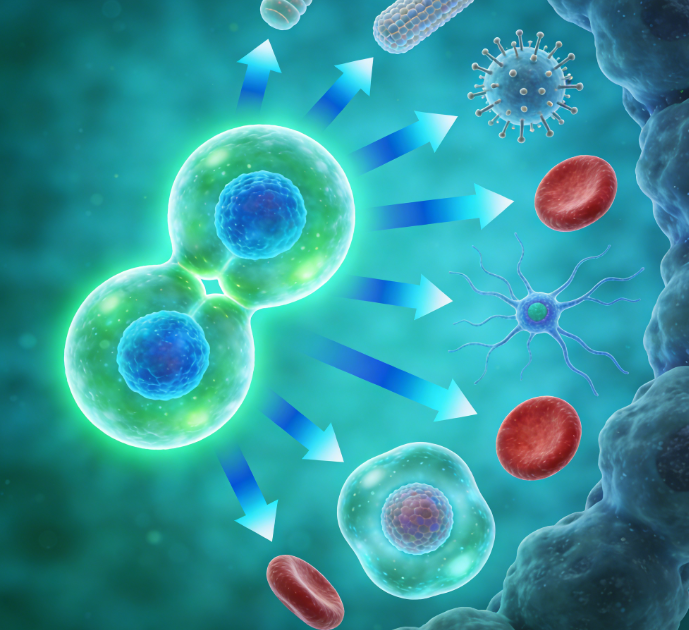
This is currently regarded by the scientific community as the most important, core anti-ageing mechanism. Stem cells act more like an “intelligent drug factory” than simply as “bricks and mortar”.
Mechanism: after entering the body, stem cells secrete large amounts of bioactive factors, including:
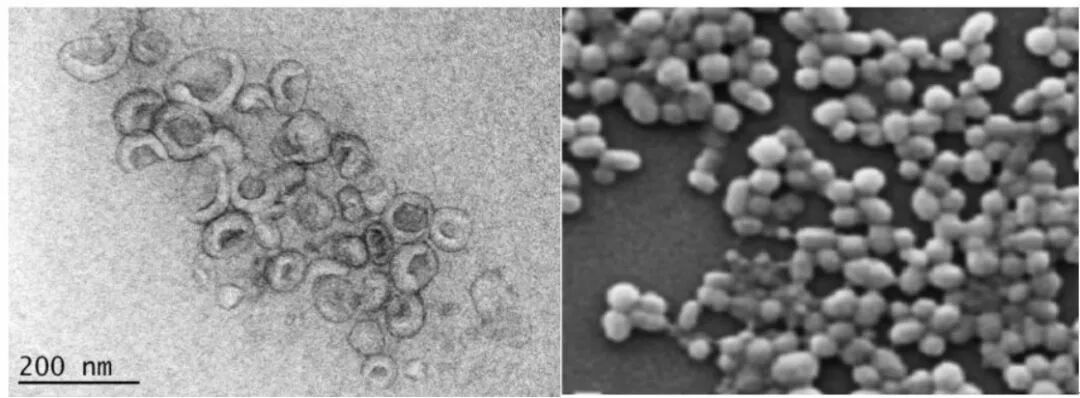
Effect: through paracrine action these active factors produce the following:
Mechanism: combining the two mechanisms above, stem cells can migrate to sites of injury and, through differentiation, replacement and secreted signals, create a favourable “regenerative microenvironment”, recruiting other repair cells to work together and promoting reconstruction of tissue structure and function.
Effect: repairing damaged organ tissue — for example heart tissue after myocardial infarction, cartilage in osteoarthritis, and the ageing dermal layer of the skin.
Mechanism: one important cause of cellular senescence is that telomeres (the protective caps at the ends of chromosomes) shorten with cell division. Some stem cells (such as mesenchymal stem cells) have relatively high telomerase activity, which may help stabilise or lengthen telomeres.
Effect: delaying the ageing process at the level of cell replication, and maintaining a youthful cell state and the potential to divide.
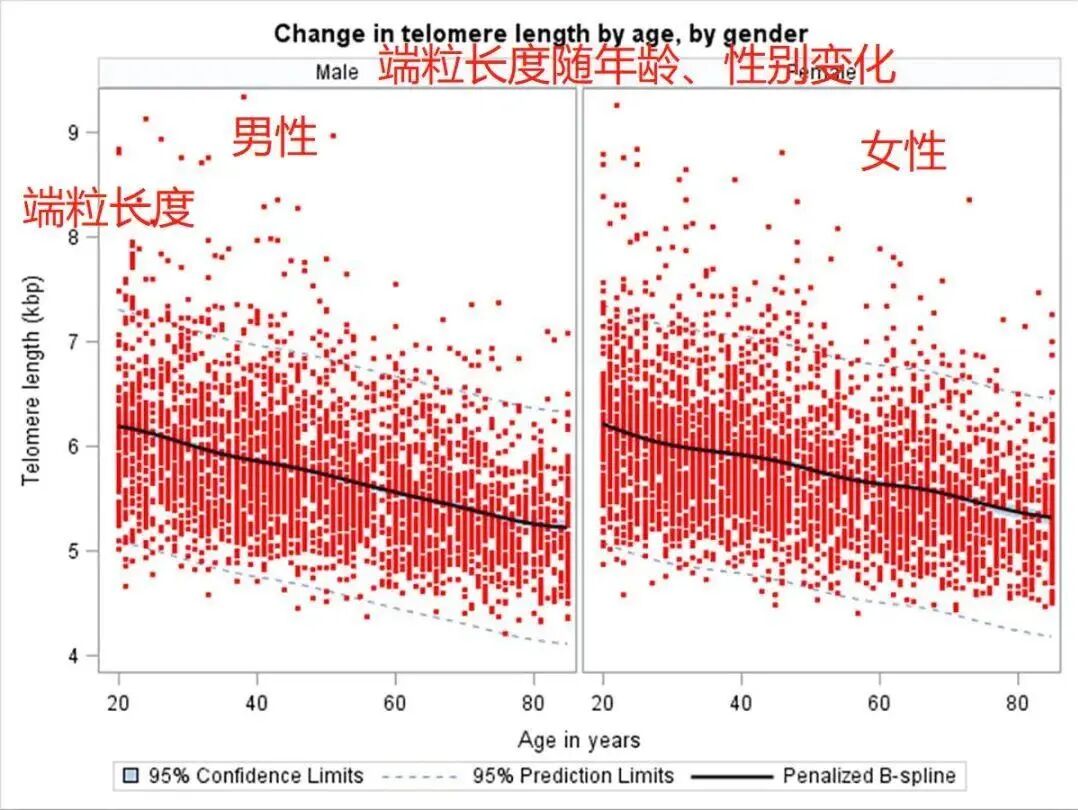
The leading journal Nature states that ageing is cells irreversibly ceasing to divide and entering a state of permanent growth arrest, without undergoing cell death. Unrepaired DNA damage or other cellular stress can induce senescence.
Medical disclaimer: This article is for general educational reference on longevity medicine, life science and genetic technology only. It does not constitute any diagnosis, treatment or medical advice. These fields are evolving rapidly; the content is compiled from publicly available educational material for information only and does not represent a commitment to any treatment, technology or outcome. Individual circumstances vary; actual treatments, results and potential risks may differ. Please consult a qualified clinician and follow their professional assessment and recommendations.