Stem cells act on inflammation, ageing and disease together. A five-year prospective study hints at long-term health potential.
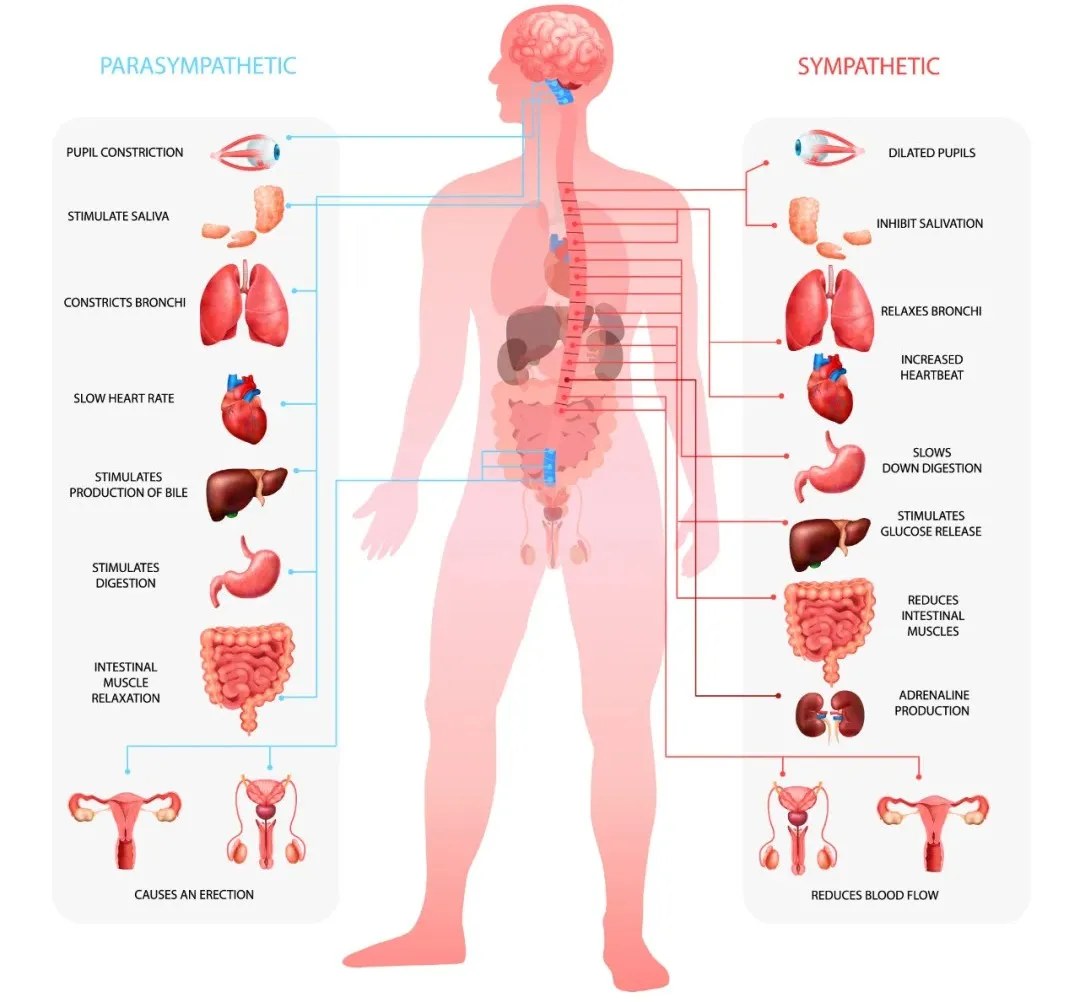
The root of health problems sits in the cell. When vitality falls and repair weakens, hazards grow. Health management is shifting from treating after the fact to intervening beforehand, and stem-cell therapy has become an option in many family health plans.
01. Anti-inflammatory
Factors such as PGE2, TSG-6 and IGF-1 suppress inflammation; stem cells also inhibit pro-inflammatory cells and promote regulatory T cells.
02. Anti-ageing
Infusion can lower inflammation and ageing markers. Stem cells may become neurons, endothelial cells or hepatocytes, migrate to the relevant sites and improve frailty.
03. Anti-disease
They home to liver, pancreas, joints and similar sites, secreting growth factors, cytokines and exosomes that promote angiogenesis and a repair-friendly environment.
A five-year prospective study in 2025 in Regenerative Engineering and Translational Medicine enrolled participants with a mean age of 55±13 years.
After five years, healthy participants remained healthy; higher cell doses were linked with lower inflammation, suggesting immunomodulation and anti-inflammatory effects for up to five years. Even subjects over 60 kept stable liver, kidney, heart and lung parameters.
Medical disclaimer: This article is for general educational reference on longevity medicine, life science and genetic technology only. It does not constitute any diagnosis, treatment or medical advice. These fields are evolving rapidly; the content is compiled from publicly available educational material for information only and does not represent a commitment to any treatment, technology or outcome. Individual circumstances vary; actual treatments, results and potential risks may differ. Please consult a qualified clinician and follow their professional assessment and recommendations.