Longevity medicine is moving from storytelling to what can be measured, followed and verified — an evidence loop of test, assess, intervene and track.

Longevity medicine has moved from concept to clinical practice. A clear trend: the field is shifting from storytelling to what can be measured, followed and verified — an evidence loop of test, assess, intervene and track.
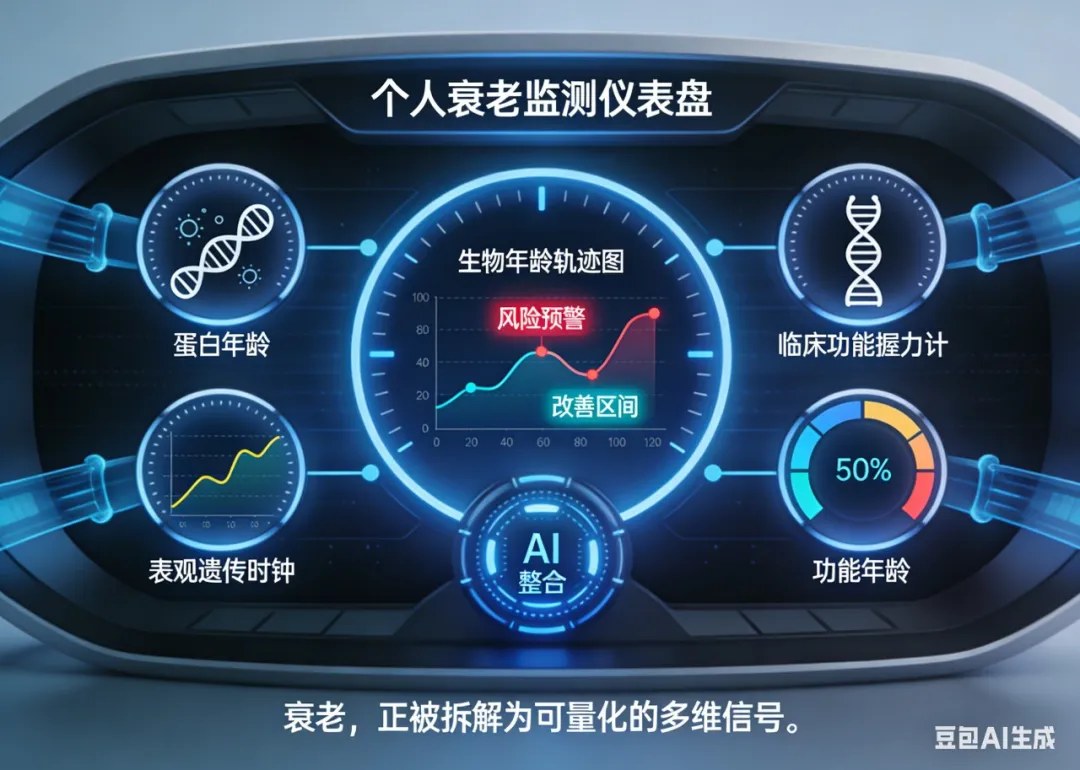
1. Proteomics: blood protein signals can build a “protein age” model linked to health outcomes, disease risk and mortality.
2. Epigenetic clocks: DNA methylation suits trend monitoring and risk management — it does not replace clinical diagnosis.
3. Many markers together: proteomics, epigenetics, metabolism and clinical function (grip, fitness, cognition) in one frame.
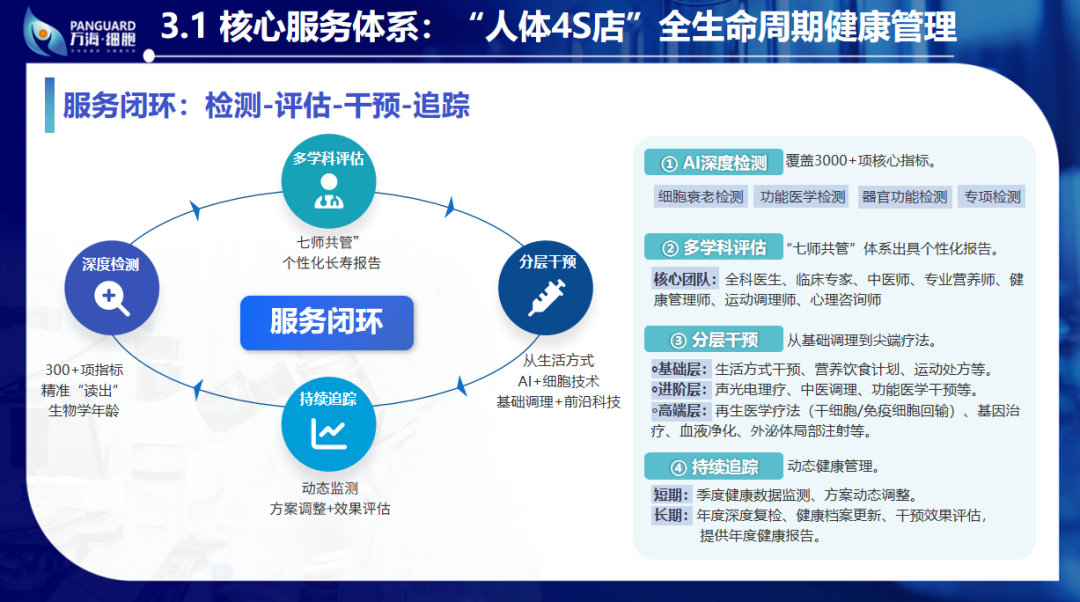
Did markers improve? Did risk fall? Is the state more stable?
1. Metabolism and weight: metabolic rebuilding — insulin sensitivity, inflammation, fat distribution, sleep and stress — matters more than a short drop on the scale.
2. Immunity and inflammation: chronic inflammatory burden managed with sleep, stress, exercise and nutrition.
3. Endocrine: define the problem and risk first, then intervene with evidence — not a generic “one hormone / one supplement”.
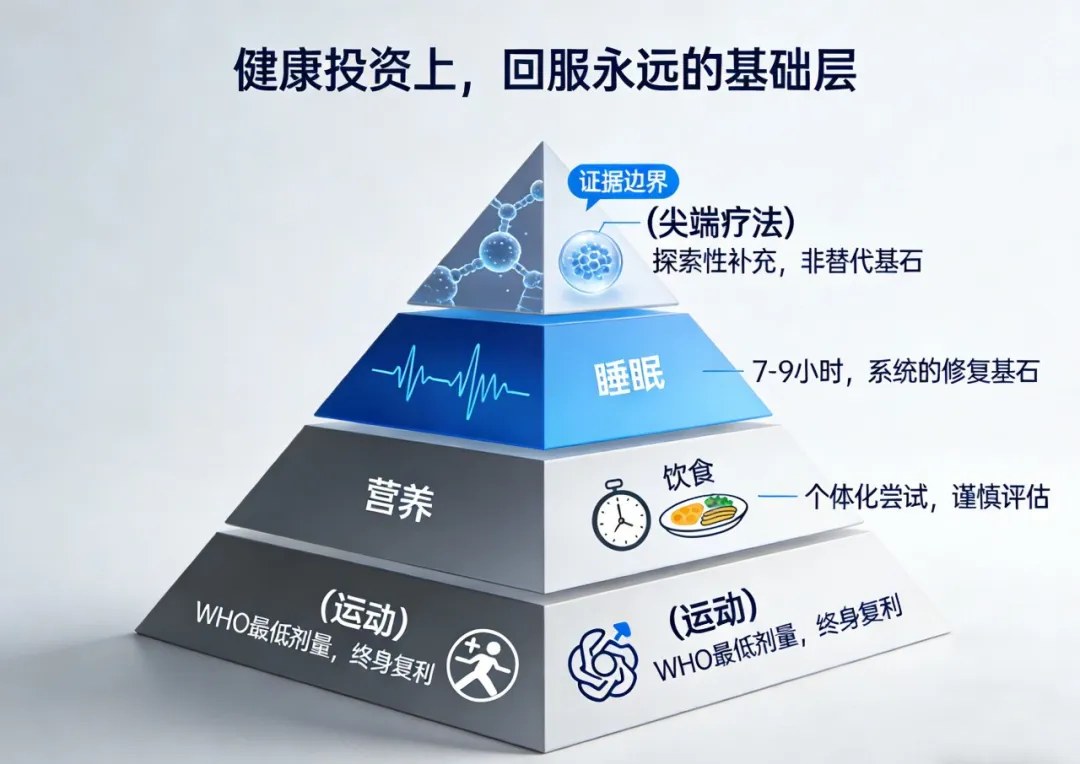
For the individual: a plan that can be measured, retested and kept up. For institutions: standard assessment, follow-up and real-world data — fewer over-promises, trust won with long-term results.

References:
Medical disclaimer: This article is for general educational reference on longevity medicine, life science and genetic technology only. It does not constitute any diagnosis, treatment or medical advice. These fields are evolving rapidly; the content is compiled from publicly available educational material for information only and does not represent a commitment to any treatment, technology or outcome. Individual circumstances vary; actual treatments, results and potential risks may differ. Please consult a qualified clinician and follow their professional assessment and recommendations.